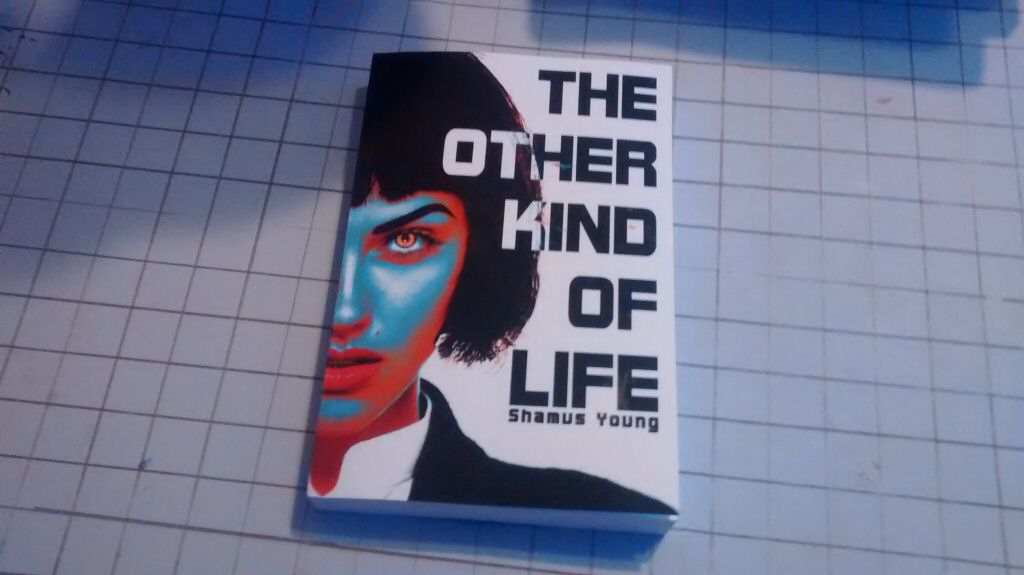
Earlier this year I released my most recent book. It performed very poorly. I haven’t had the guts to open up the sales figures for the various storefronts and get a final count of copies soldAmazon makes this process so hopelessly convoluted I’m seriously wondering if the obfuscation is deliberate., but I’m willing to bet it’s less than 1,000 copies.
Certainly some of this is due to my half-hearted attempts at marketing. I hate doing it and it’s always tough to see the result. Some of it is no doubt due to the fact that Witch Watch got some free exposure from The EscapistWe did a giveaway and one of their daily quizzes promoted the book. and TOKoL was only promoted through my blog and a few cheap Google / Amazon ads.
Well, there’s no point in crying about it now. I’m reasonably sure the low sales don’t mean the story is terrible. It was reviewed well by the few who bought it and I think it had quite a few fun moments in it. It was a blast to write and it’s still my favorite bit of worldbuilding.
However, I’ll readily admit it’s not a perfect book. Like all fictional works, you can find problems if you pick at it. Since I spend so much of my time picking on flaws in game stories, I thought it would be an interesting exercise to do the same thing to my own work. This isn’t usually done, but there’s no rule saying you can’t do it.
Before we get started, I should repeat what I said a few months ago: I’m a big believer in the idea that the text is the text and everything outside the text is fanfic, even if it was written by me. If something isn’t explained well enough, then making up shit later doesn’t fix that. If part of the book doesn’t work, then this article can’t fix that. This should be viewed as an explanation of what I tried to do, but it doesn’t (and can’t) serve as a post-launch hotfix for plot holes and other nonsense. None of this is canon. It’s just my usual nitpicky analysis with a better-than-usual understanding of what the author was trying to accomplish.
So below is a list of gripes and flaws that I wish I’d handled differently. Total spoilers ahead, obviously…
Continue reading ⟩⟩ “The Other Kind of Analysis”
 Shamus Young is a programmer, an author, and nearly a composer. He works on this site full time. If you'd like to support him, you can do so via Patreon or PayPal.
 T w e n t y S i d e d