 T w e n t y S i d e d


There are ways to correct mistakes made in the delivery of the plot. Some are better than others.


This week has been a whole lot of nothing.
But as of writing this, I was looking at steam and saw Heroes of Hammerwatch II. I don’t know anything about it other than it released today and is a roguelike. I’m very fond of roguelikes, so I’m going to try the demo later.
What’s everyone else doing this week?


Pre-existing condition: my mouse is going out, apparently.
Let’s get one thing straight from the beginning: Final Fantasy is *not* the first console RPG, or JRPG…but it *was* inspired by the early ones. It *was* the first to use the format of enemies lined up vertically on the left side of the screen and home team lined up vertically on the right, for what it’s worth. This format is broadly associated with the concept of early console RPG’s, despite Final Fantasy being one of the few that used this idea. Dragon Quest, debuting a year earlier, used a first-person fight screen then switched to a second-person hybrid screen with Dragon Quest 7. This view would also dominate HD and 3D remakes so thoroughly and effectively that people associate that particular view with the series as a whole, now. The Phantasy Star series, another early hit for Sega-based systems; used a second-person view set right behind the protagonists. You would see their back and hair which set an early standard for that series’ focus on the avatars’ designs. Most earlier RPG’s used some variety of first-person point-of-view. So at least in one regard Final Fantasy did do something different.
Continue reading ⟩⟩ “Final Fantasy 1 (part 001)”

This week I’ve not done much.
I’m pretty much burnt out on They are Billions. Mostly due to it not really giving a sense of progression aside from a new enemy every once in a while, and working through the tech tree. I guess you could argue that the larger population requirements and increased enemy quantity could be considered progress, but it just felt tedious.
Other than that, I’ve just been watching YouTube and staring at my steam library.
So what’s everyone else doing this week?

I’ve been listening to a lot of Tolkien universe (I know the common term is “legendarium”) over the Christmas holiday. This has prompted me to re-install Lord of the Rings Online in a final attempt to “enjoy” the storyline into the post-Rings gameplay Standing Stone has been putting out for years now. I had to give a bit of thought to how to do this, actually. I think I have made it to a point that would have facilitated “moving on” to a new story, except I always seems to get stuck or confused. One thing is easy to straighten out: skip side quests until you have to level. The “Epic Quests” are the storyline of the game, and I *do* remember hitting a dead-end at one point by not being able to beat one chapter. Doing side-quests is *highly* repetitive, with only a handful of starting quests available. Let me rephrase that: there are *a lot* of side quests, but you preform them in all of the same areas. There are only a few starting areas, then after that they all concentrate into the same quest lines. You really need to just focus on getting one character through the storylines.
Continue reading ⟩⟩ “A Last Try at LotRO”
Why are RPG economies so bad? Why are shopkeepers so mercenary, why are the prices so crazy, and why do you always end up a gazillionaire by the end of the game? Can't we just have a sensible balanced economy?

Fidget spinners are ruining education! We need to... oh, never mind the fad is over. This is not the first time we've had a dumb moral panic.
WAY back in 2005, I wrote about a D&D campaign I was running. The campaign is still there, in the bottom-most strata of the archives.
Is it real? Is PC gaming returning to its former glory? Sort of. It's complicated.

The story of me. If you're looking for a picture of what it was like growing up in the seventies, then this is for you.
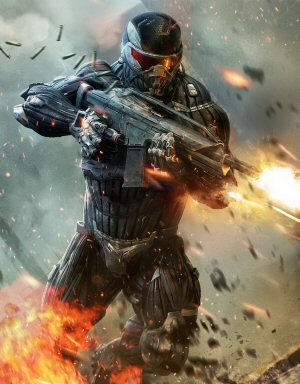
Crysis 2 has basically the same plot as Half-Life 2. So why is one a classic and the other simply obnoxious and tiresome?

This mess of dross, confusion, and terrible UI design is the storefront the big publishers couldn't beat? Amazing.
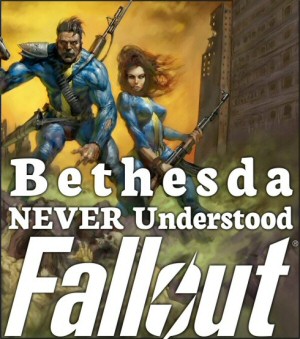
Let's count up the ways in which Bethesda has misunderstood and misused the Fallout property.
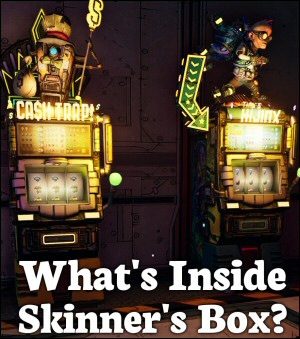
What is a skinner box, how does it interact with neurotransmitters, and what does it have to do with shooting people in the face for rare loot?
Denuvo videogame DRM didn't actually kill piracy, but it did stop it for several months. Here's what we learned from that.

