 T w e n t y S i d e d

Continue reading ⟩⟩ “#23 Barbaric Salesmanship”


Continue reading ⟩⟩ “#23 Barbaric Salesmanship”
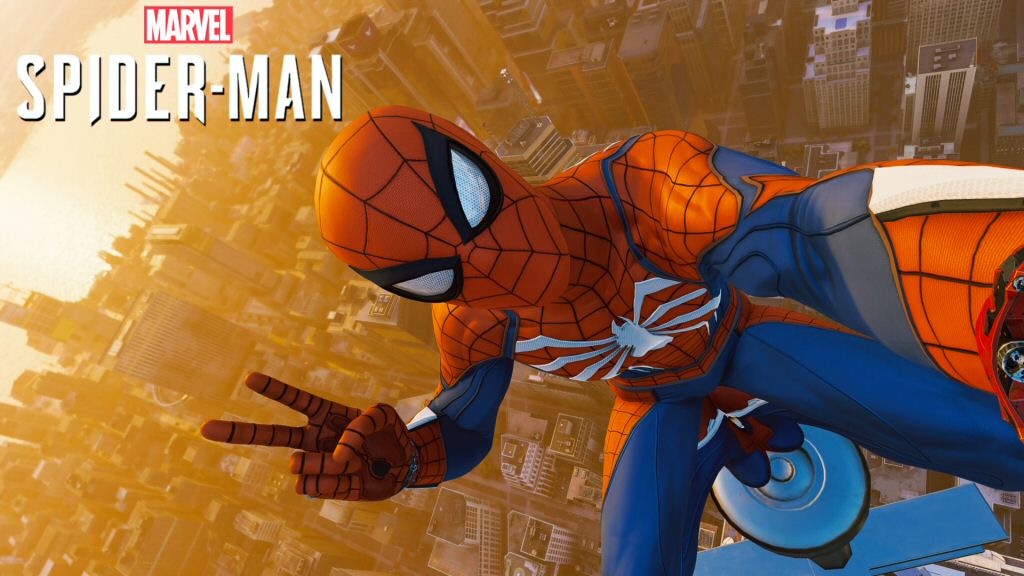
After Peter and MJ have their fight, we pause for a breather and check up on how our various secondary plots are developing.

We stop by Octavius Industries to see how the Otto plot is coming along. I realize I said this already, but I absolutely love this character. This entire story thread features solid writing, great dialog, and top-notch performances from the cast. My only gripe is that it gets sidelined by the other, weaker plots.
We discover that Dr. Octavius has built some robot-arms that can be controlled directly through mental input. They’re super strong, they telescope out, and they’re scary as hell. Also, Peter reads an article that says these kinds of neural interfaces are dangerous and experimental. They could even cause… personality changes!
Ah well. I’m sure it’ll be fine. Doc Octavius seems pretty happy and I can’t imagine how any of this could go horribly wrong.
Continue reading ⟩⟩ “Spider-Man Part 15: It’s Time to Get Negative”

I actually felt sorry for Sean Murray. If you look at the things Murray claimed were going to be in the game, it seems like he was just doing the usual indie developer thing where you talk candidly about your ideas and your plans. In the small-scale indie space, the line between “it would be cool to add this” and “this is in the spec and we plan to add it” is really blurry. You’re in charge of of the spec, you’re in charge of the schedule, and you’re always free to change your mind and do something different if you get caught up chasing a different (and hopefully better) idea. There’s an understanding that indies are often following their passions.
After the game came out, president of Sony’s Worldwide Studios Shuhei Yoshida said:
Continue reading ⟩⟩ “Experienced Points: No Man’s Sky Was Never a Con”

This series analyzes the show, but sometimes references the books as well. If you read it, expect spoilers for both.
In the second-to-last episode of the series, we’ve reached what will almost certainly be the show’s final battle. Dany and her forces are preparing to attack King’s Landing, and the Lannister/Ironborn/Golden Company side are set up to defend. Arya and the Hound are on their way to kill Cersei and Gregor, respectively. Tyrion and Varys are worried about Dany’s increasing unhingedness. Cersei is smirking and drinking wine, as usual. Euron’s fleet is out in the bay.
Dany, meanwhile, has lost patience with Tyrion’s reasons not to attack the seat of her only remaining enemy, and wants to assault the city, civilians inside or no. Tyrion persuades her to call off if the city surrenders, which will be signaled by them ringing the sept bells. This was the point at which a feeling of horror started to grow in the pit of my stomach.
You see, I don’t deliberately seek out leaks. However, Game of Thrones isn’t just a show at this point. It’s an entire online ecosystem. Sometimes you pick them up by osmosis. Amongst the leak-adjacent fandom, I had noticed several references to something that had already been nicknamed “bellgate,” and insinuations that Dany hated bells. Because of this, I started bracing myself for something stupid to happen as soon as Tyrion mentioned bells being important. What’s more, he keeps mentioning it – no fewer than four times according to my notes.

Continue reading ⟩⟩ “Game of Thrones Season Eight: “The Bells””


Welcome to Diecast #28. Honestly, it seems like a waste to keep going after hitting such a sweet landmark.
The first episode of the Diecast was posted on February 14, 2013. Most episodes run just slightly over an hour, but occasionally they run to 1.5 hours and very rarely they approach 2. If we assume the average length is an hour and 20 minutes, then there are 341 hours of Diecast. That’s almost exactly two solid weeks of talking about videogames. I don’t know why you’re not sick of me by now, but I’m glad this is working.
Show notes: Continue reading ⟩⟩ “Diecast #256: Framerate, Satisfactory, Metro Exodus”
Continue reading ⟩⟩ “#22 Respect the Unexpected”
Continue reading ⟩⟩ “#21 A Surprised Party”
No, game prices don't "need" to go up. That's not how supply and demand works. Instead, the publishers need to be smarter about where they spend their money.
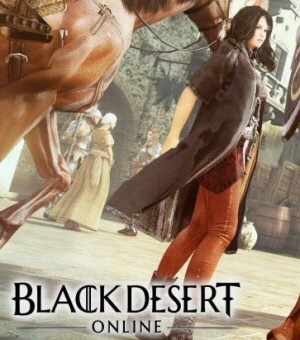
This Korean title would be the greatest MMO ever made if not for the horrendous monetization system. And the embarrassing translation. And the terrible progression. And the developer's general apathy towards its western audience.
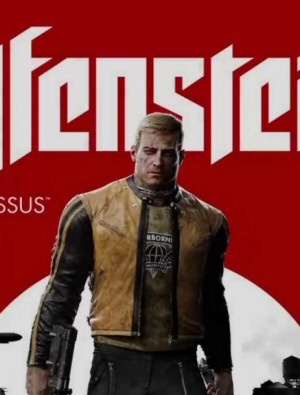
This is a massive step down in story, gameplay, and art design when compared to the 2014 soft reboot. Yet critics rated this one much higher. What's going on here?
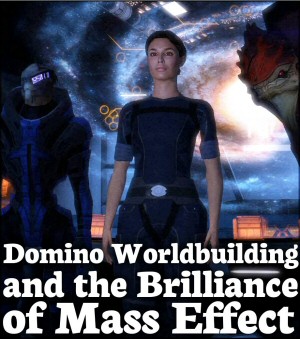
What is "Domino Worldbuilding" and how did it help to make Mass Effect one of the most interesting settings in modern RPGs?
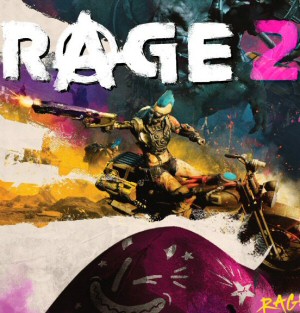
The game was a dud, and I'm convinced a big part of that is due to the way the game leaned into its story. Its terrible, cringe-inducing story.
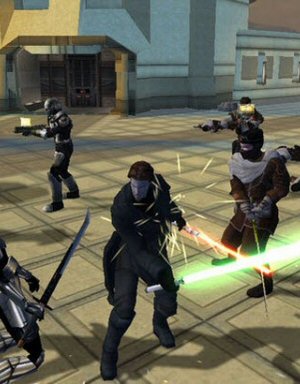
There's a wonderful way to balance difficulty in RPGs, and designers try to prevent it. For some reason.
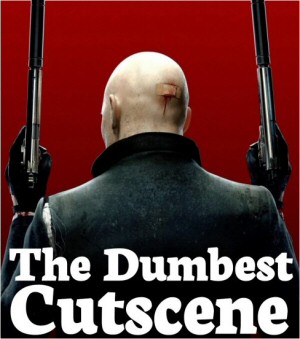
This is it. This is the dumbest cutscene ever created for a AAA game. It's so bad it's simultaneously hilarious and painful. This is "The Room" of video game cutscenes.
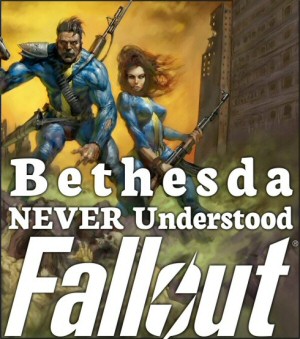
Let's count up the ways in which Bethesda has misunderstood and misused the Fallout property.
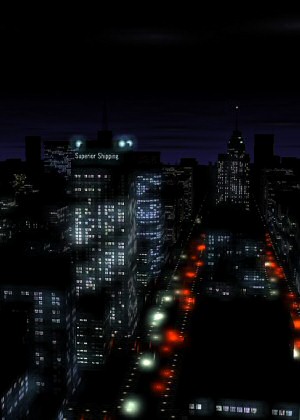
An attempt to make a good looking cityscape with nothing but simple tricks and a few rectangles of light.
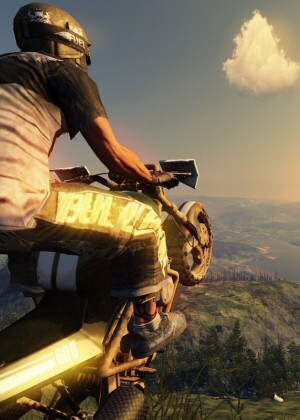
How did this niche racing game make a gameworld so massive, and why is that a big deal?