 T w e n t y S i d e d

Continue reading ⟩⟩ “#28 Something For Everyone. Almost.”


Continue reading ⟩⟩ “#28 Something For Everyone. Almost.”
Continue reading ⟩⟩ “#27 The Thick and the Dead”
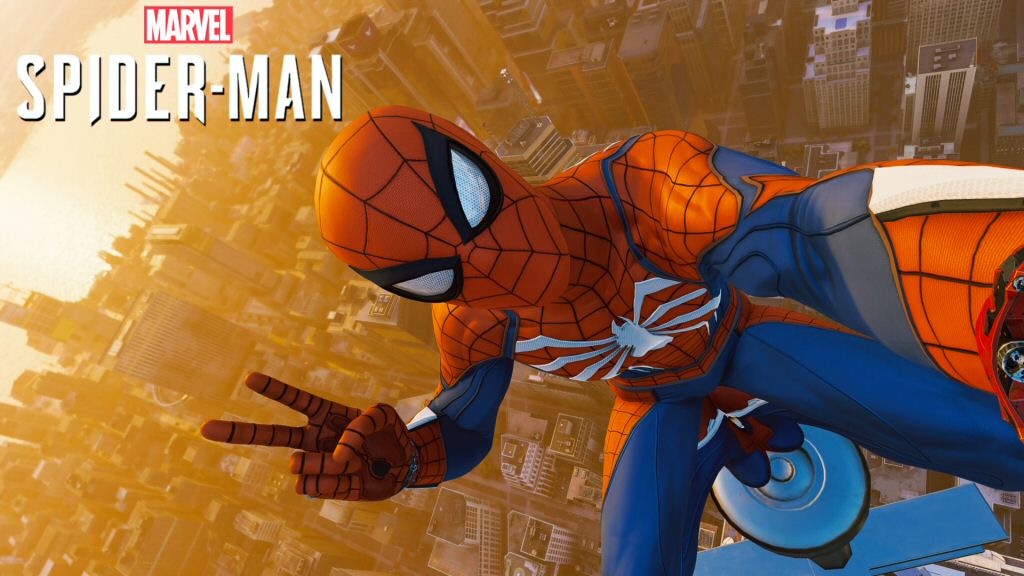
The main story has just dropped us into a false sense of security. The big obvious threat is ended and our “main” villain is on his way to jail. The Octavius plot is still simmering in the background, the Peter and MJ plot just hit a low note, and the credits didn’t roll, so the player probably knows the story isn’t really over yet.
This seems like a good time to stop and talk about a few of the sidequests.
Here we have the inverse of the Mass Effect 2 problem. In Mass Effect 2, the optional loyalty missions were solid and the main plot collapsed under the slightest scrutiny. Here in Spider-Man, the main story feels like a proper comic book series and some of the side-content feels like filler sidequests devised by game designers with no experience in writing.
They’re not all bad, though. In particular, I like the sidequest involving…
Continue reading ⟩⟩ “Spider-Man Part 17: Sidequests”

My column this week will be a bit of a re-run for those of you who have been around long enough to remember the last time I brought up crunch mode in video game development. On one hand, it feels silly to cover the same topic again and again. On the other hand, it’s even more silly that this is still a problem after all these years. The news doesn’t stop covering a natural disaster just because it’s day 3 and everyone knows about it. They cover it until the destruction ends and the mess is cleaned upActually, they probably stop covering it when people stop watching, but you know what I mean..
Some people take the hardline stance that “crunch should never happen”, and I just can’t get behind that idea. It’s built on the premise that since all mistakes are avoidable, you can avoid all mistakes. This is clearly not the case. As an engineer, I’m much more comfortable with designing systems with a bit of fault tolerance than designing systems that are perfect as long as nothing ever goes wrong.
This is a world of finite resources, bedeviled by selfish jackasses, subject to entropy, and filled with unpredictability. Jerks will cause problems, misfortune will strike, people will make mistakes, and equipment will fail. You can insist that all game budgets should be mapped out perfectly and then sufficiently padded, but this ignores the way that creative projects will expand to consume available resources. If feature creep is a problem when schedules are tight, then how much worse will it be when everyone has lots of “extra” time?
Saying teams should never crunch is like saying that airbags are a waste of money because accidents shouldn’t happen in the first place. The pursuit of an unattainable ideal will prevent you from building a robust system.
So how would I handle this?

Show notes: Continue reading ⟩⟩ “Diecast #258: Netflix, YouTube, Phantom Menace”
Continue reading ⟩⟩ “#26 Adventure and Excitement! (Also Death.)”
Continue reading ⟩⟩ “#25 See No Evil”
No, game prices don't "need" to go up. That's not how supply and demand works. Instead, the publishers need to be smarter about where they spend their money.
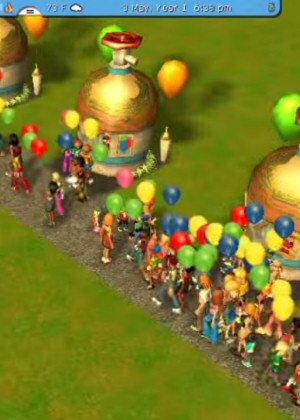
Two minutes of fun at the expense of a badly-run theme park.
The product of fandom run unchecked, this novel began as a short story and grew into something of a cult hit.
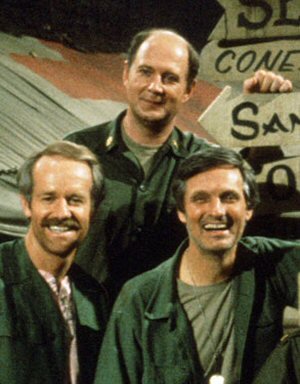
Since we're rebooting everything, MASH will probably come up eventually. Here are some casting suggestions.
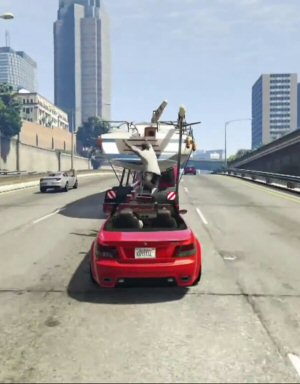
One of the highest-rated games of all time has some of the least interesting gameplay.

What was the problem with the Playstation 3 hardware and why did Sony build it that way?

Fidget spinners are ruining education! We need to... oh, never mind the fad is over. This is not the first time we've had a dumb moral panic.
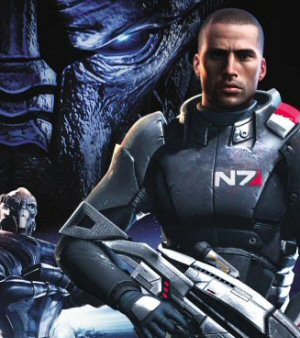
A novel-sized analysis of the Mass Effect series that explains where it all went wrong. Spoiler: It was long before the ending.
It's not a legend. It was real. There was a time before DLC. Before DRM. Before crappy ports. It was glorious.

There are two major schools of thought about how you should write software. Here's what they are and why people argue about it.