 T w e n t y S i d e d

 |
Wizards: Work smarter, not harder.
Fighters: Not smarter, hit harder.
Rogues: Lie smarter, steal hardware.
Bards: Sing harder, get- ow! oh geeze! Fine, I’ll stop singing! Quit hitting me already!

|
Wizards: Work smarter, not harder.
Fighters: Not smarter, hit harder.
Rogues: Lie smarter, steal hardware.
Bards: Sing harder, get- ow! oh geeze! Fine, I’ll stop singing! Quit hitting me already!
Hey. Is it April already?
(Later: To put this in context. On April 1st I had a special theme on the site that flipped the logo and titles around so that they were backwards, as well as a bunch of other stuff on the site.)
In response to this, Rebecca posts this, where she says:
And so it begins.
Diablo players can be divided into two groups: Those who become addicted, and those who are consumed.
 |
I made this image a while ago and have been looking for an excuse to put it up. It’s nearly April 1st, and this seems to fit the spirit of that quasi-holiday.
This game breaks a few RPG gameplay conventions. One is that you don’t manually loot fallen foes. This is a small thing, but I’m surprised at how strongly it affects the pace of the game. In other RPG’s every battle ends with the requisite looting of the dead. This is often tiresome after a while, particularly late in the game. 99% of all loot is crap, but you can’t skip the looting process because that last 1% is great stuff you can’t afford to miss. If you skip it, you will find yourself with a shortage of good items and you will be missing the money you’d have made from selling all the crap. This isn’t a bad dynamic, but as the plot gains momentum the time spent frisking the dead becomes a drag on immersion and an impediment to building tension. Just imagine if Luke had stopped to check every felled stormtrooper for cash and weapons as they fought their way out of the Death Star. That sort of business gets old, and makes the hero seem like some sort of obsessive-compulsive junk collector.
Continue reading ⟩⟩ “Jade Empire: Gameplay”
I picked up Jade Empire last weekend, and now I’ve finally managed to clock a few hours on it. It came out on XBox a couple of years ago, but is only just now finding its way to the PC. The game is a story-driven RPG from Bioware, very much a descendant of Knights of the Old Republic. Instead of a Jedi in a galaxy far, far away, you play a Martial Arts student in ancient China. There is martial-arts driven magic and a dash of steampunk to keep things interesting. My usual list of impressions from the first few hours of the game:
 |
| On the left is my character Endo. He’s made of 100% beef, but he’s also dressed in a silly outfit. I really wish there were more options for controlling how he looks. |
The graphics engine behind the game is fantastic. It looks better than the much maligned Neverwinter Nights 2 or the much celebrated Oblivion, yet it runs smoother than either of them. It doesn’t just run a little better, it outpaces and outshines the performance of the other two games in just about every way you can measure. The load times are very quick, almost momentary. Framerate is flawlessly smooth. Note to publishers: This is what you get when you let your developers finish the job!
I love martial arts, both as an art form and as a display of athletic prowess. This ballet of violence is hard to capture in videogame form (most fighting games sacrifice the grace of movement for visceral appeal by speeding everything up) but Jade Empire does an admirable job. It really is fun to see the characters do their thing.
Continue reading ⟩⟩ “Jade Empire: First Impressions”
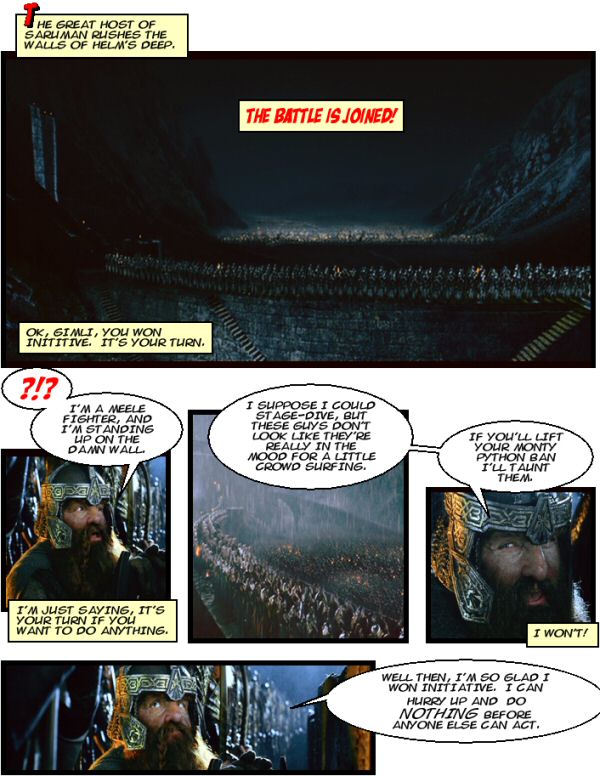 |
Sometimes initiative is a little odd.
Here is a 13 part series where I talk about programming games, programming languages, and programming problems.
We were so upset by the server problems and real money auction that we overlooked just how terrible everything else is.
The Thieves Guild quest in Skyrim is a vortex of disjointed plot-holes, contrivances, and nonsense.
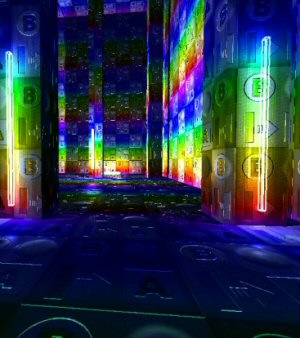
Sometimes software is engineered. Sometimes it grows organically. And sometimes it's thrown together seemingly at random over two decades.
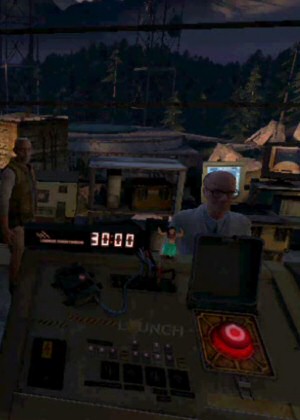
Scenes from Half-Life 2:Episode 2, showing Gordon Freeman being a jerk.

An interesting but technically dense talk about gaming technology. I translate it for the non-coders.
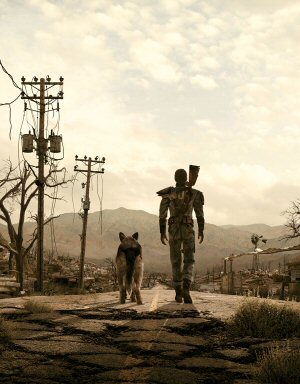
Yeah, this game is a classic. But the story is idiotic, incoherent, thematically confused, and patronizing.
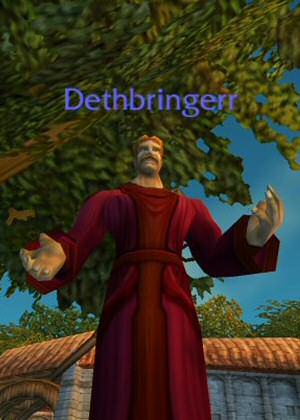
Ever wondered what's in all those quest boxes you've never bothered to read? Get ready: They're more insane than you might expect.
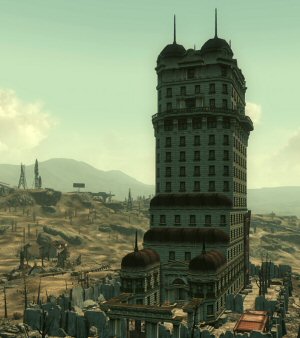
Bethesda felt the need to jam a morality system into Fallout 3, and they blew it. Good and evil make no sense and the moral compass points sideways.
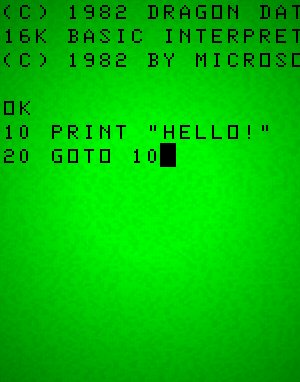
Game developer Jon Blow is making a programming language just for games. Why is he doing this, and what will it mean for game development?