 T w e n t y S i d e d

Continue reading ⟩⟩ “#29 Blame the Messenger”


Continue reading ⟩⟩ “#29 Blame the Messenger”
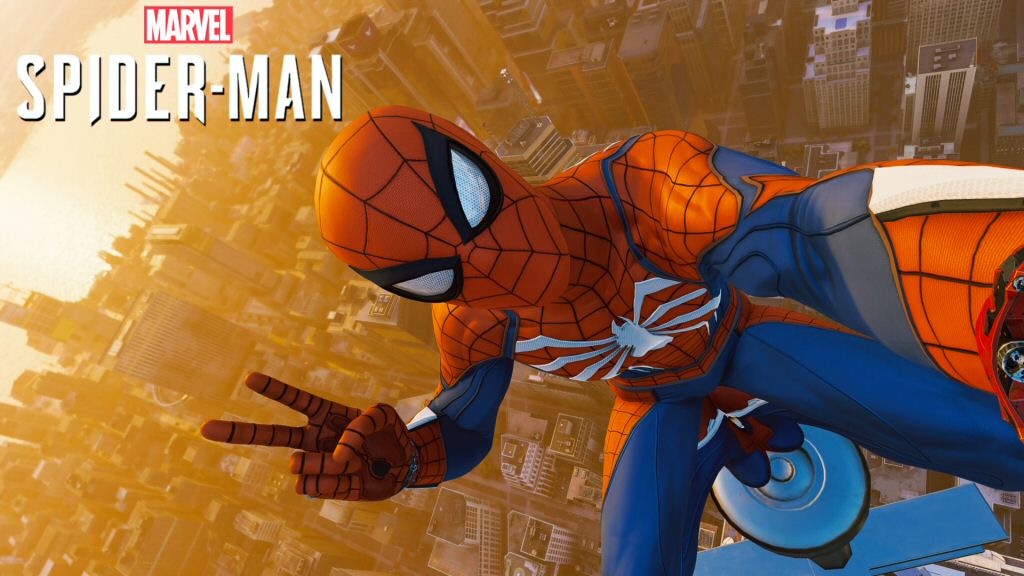
Last week I mentioned the character of Screwball and the writer’s stilted and cringey attempts to emulate Millennial shorthand and idioms. It’s interesting to compare that mess to the scene right after Grand Central Terminal where Spider-Man and MJ have an argument via texting. This exchange is bang-on. It’s not just solid from a character standpoint, but also by the way it captures the little nuances of what it means to have a fight through text messages.
There’s a moment where MJ says, “think we both had different ideas about this ‘partner’ thing”, referring to the way they decided to team up without either of them making clear what they expected from the other. She thought if they were ‘partners’ she’d be able to sneak around the hideouts of dangerous supervillains without him trying to stop her, and he thought she would just stay at home and gather information for him.

Spidey replies by shouting, “OH, YOU THINK?” at his phone, but then types a much more measured response. The whole exchange is full of little details like this that make these two characters feel genuine.
We see the entire exchange from Spider-Man’s perspective. On one hand, I kinda wish the viewpoint would shift over to MJ a few times so we could see how she’s reacting. Is she also shouting at her phone in exasperation while typing with restraint? Is she angry? Crying? Then again, not knowing what the other person is really feeling is part of the texting experience, and by trapping us in Spider-Man’s P.O.V. the writer enables us to share in his frustration and confusion.
Continue reading ⟩⟩ “Spider-Man Part 18: Jailbreak”

This week my column takes a look at Microsoft and their recent move to unify the PC and Xbox ecosystems. Actually, I guess it’s not a recent move so much as another re-commitment to an idea they keep flirting with and abandoning. If they could merge the Xbox and PC into a single group by allowing players to take their library, friends list, and save games with them between platforms, then that would make the resulting PC/Xbox hybrid the biggest console platform.
Back in the 90s and aughts, Microsoft’s grip on the PC market was really strong. You used Windows because everyone else used windows and everyone needed to be able to share documents. Your software collection was Windows-based and switching was difficult. Macs were nice, but they were really expensive and they had trouble sharing files with your business colleagues. Linux was free, but it was still a platform for gurus and it had a lot of the same data-sharing problems.
But today? Most programs are either multi-platform by design or universally available through the cloud. You can do word processing, spreadsheets, image editing, video editing, music editing, file sharing, spread sheeting, and web-browsing on any of these platforms and have a reasonable expectation of being able to share files with everyone else. We’re doing more and more on the cloud, and the OS matters less and less.
The two exceptions to this trend are:
Continue reading ⟩⟩ “Microsoft’s New Plan for Xbox”

Show notes: Continue reading ⟩⟩ “Diecast #259: The Witness, Outer Wilds, Survival Games”
Continue reading ⟩⟩ “#28 Something For Everyone. Almost.”
Continue reading ⟩⟩ “#27 The Thick and the Dead”
The main story has just dropped us into a false sense of security. The big obvious threat is ended and our “main” villain is on his way to jail. The Octavius plot is still simmering in the background, the Peter and MJ plot just hit a low note, and the credits didn’t roll, so the player probably knows the story isn’t really over yet.
This seems like a good time to stop and talk about a few of the sidequests.
Here we have the inverse of the Mass Effect 2 problem. In Mass Effect 2, the optional loyalty missions were solid and the main plot collapsed under the slightest scrutiny. Here in Spider-Man, the main story feels like a proper comic book series and some of the side-content feels like filler sidequests devised by game designers with no experience in writing.
They’re not all bad, though. In particular, I like the sidequest involving…
Continue reading ⟩⟩ “Spider-Man Part 17: Sidequests”
Small changes to the animations can have a huge impact on how the audience interprets a scene.
Denuvo videogame DRM didn't actually kill piracy, but it did stop it for several months. Here's what we learned from that.

Did you dislike the ending to the Mass Effect trilogy? Here's my list of where it failed logically, thematically, and tonally.
How did this game avoid all the usual stupidity that ruins remakes of classic titles?

A music lesson for people who know nothing about music, from someone who barely knows anything about music.

Sometimes software is engineered. Sometimes it grows organically. And sometimes it's thrown together seemingly at random over two decades.

My picks for what was important, awesome, or worth talking about in 2015.

There are two major schools of thought about how you should write software. Here's what they are and why people argue about it.
Raytracing is coming. Slowly. Eventually. What is it and what will it mean for game development?
Let's do some scripting to make the Starcraft AI fight itself, and see how smart it is. Or isn't.