 T w e n t y S i d e d

 |
Remember: That which does not kill you was simply not permitted to do so for the purposes of the plot.

|
Remember: That which does not kill you was simply not permitted to do so for the purposes of the plot.
Mark has a great post that links to an article talking about who edits and writes for Wikipedia. This is something I’ve always been curious about. Who writes all this stuff and keeps it working smooth?
And when you think about it, this makes perfect sense. Writing an encyclopedia is hard. To do anywhere near a decent job, you have to know a great deal of information about an incredibly wide variety of subjects. Writing so much text is difficult, but doing all the background research seems impossible.
On the other hand, everyone has a bunch of obscure things that, for one reason or another, they’ve come to know well. So they share them, clicking the edit link and adding a paragraph or two to Wikipedia. At the same time, a small number of people have become particularly involved in Wikipedia itself, learning its policies and special syntax, and spending their time tweaking the contributions of everybody else.
Mark has a few other interesting points and links to add to this if you’re inclined to read the whole thing.
Looking out my window this morning, I see the sun is shining right through a rainstorm at us. It’s one of those lazy rainstorms with great big droplets that catch the light and look like diamonds coming down.
 |
I’m standing on the porch snapping this picture when my wife comes out and suggests that since we see rainbows out front in the evening, then early in the morning this situation ought to make rainbows out back. I do the forehead slap thing and dash back through the house. Sure enough:
 |
Then my wife takes the camera and ventures out to get a better angle that is less obscured by trees. She manages to get this shot:
 |
If you look closely, you can see this is a double rainbow. This one is not nearly as spectacular as the last double rainbow I saw, but the pictures came out much better this time.
UPDATE: This rainbow lasted quite a while. It was still going when I looked out half an hour later. In fact, it was even stronger. Heather has more rainbow pictures at her site. Also a picture of a duck.
To answer the question from yesterday as to how long it would take the googlebot to find my new catchphrase. Answer: Almost exactly 24 hours.
|
|
|
|
60
|
|
|
5
|
|
|
21
|
|
|
94
|
|
|
51
|
|
|
|
|
I don’t at all care for the way they mixed the concept of “conservative” personality with “conservative” political leanings. Laying aside the fact that our conservative / liberal labels are totally bent at this point, I don’t think the political conservatives are in any way related to conservative (as in, careful, wary, resistant to change) personalities. For example, one question is, “Tend to vote for non-conservative political candidates”, which would include all non-conservatives, from communists to anarcho-capitalists. There is a huge spectrum of beliefs in there, why pick on one particular group? [rehtorical question] I suspect this one teaches us more about the personality of the test maker as opposed to the test taker.
Hat Tip: FuzzyGeek
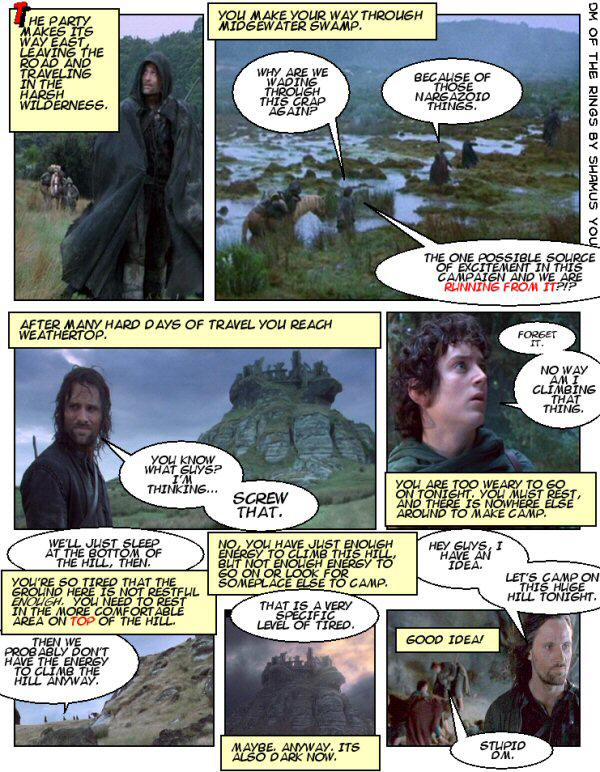 |
I’ve mentioned before how I’ve had trouble with coaxing players to rest. You have to watch these guys: They will do everything they can to escape the finely crafted rails you’ve put them on.
 |
If a woman is taking a bath, it’s so that the plot can show her getting walked in on / being murdered / being spied on. If someone eats, they do it to show us what sort of person they are. A puffy, addled cop will eat doughnuts. A corrupt rich man will eat something decadent and gross to the average middle – class viewer. The slobby fat guy will eat fast food. If someone lays down to sleep, it’s because they are about to be attacked or have a nightmare. If a family eats, it’s so they can have a conversation that serves the plot. We rarely see what they are eating. We certainly never see close-ups of the food.
Now, all of this is perfectly reasonable. Western writers have learned that everything needs to serve the plot and character development. If a character has to do something mundane, then it needs to tell us about them or advance the plot, otherwise you’re just wasting screen time, right?
But anime seems to have a different take on this. Sometimes they show us people doing these things just for the sake of showing us how much they are (or are not) enjoying themselves. When a meal happens on-screen, we get closeups of the food, and of the character’s reaction to it. We know what they are having and how they feel about it. Then they eat some of it, and we get a reaction shot: How does it taste, do they like it, how does the cook (if they are around) feel about the reaction? We are shown all of this before the characters get down to the business of having real dialog. Sometimes this serves the plot, but sometimes it’s just there to show us how happy everyone is.
Sometimes we see a character go to bed, stretch and comment on how tired they are, and remark to themselves about how comfortable their bed it. Then it cuts to the next day. As an American viewer I used to get confused by this. What was that scene for? Am I missing something?
Sometimes we’ll have a scene where someone takes a bath, and nothing happens except that they were having a hard day and feel much better now. This could have been revealed by dialog later, but the writers often show this on-screen anyway. The point seems to be to allow the audience to enjoy this stuff vicariously. The writers don’t want us to know that the food is good, the bath is warm, or the bed is soft and relaxing, they want us to experience this along with the character.
This sort of thing is most common in romantic comedies. Ai Yori Aoshi is like this. Everything between the first few episodes and the last disc is just a buffet of slice-of-life moments, little joys and pleasures, and lighthearted comedy based on mostly mundane events. A Little Snow Fairy, Sugar did this as well. Many times the scene would linger on as the characters talked about getting a waffle, what flavor they wanted, how it tasted, and how they should share.
After getting used to it, I’ve really come to enjoy this aspect of %anime. It’s unexpected and different. It’s unhurried. It only works when we really care about the characters, though. Nothing is more tiresome or laborous than a show that drags on showing uninteresting characters doing uninteresting things. It doesn’t always work, but when it does it really works.
A game I love. It has a solid main story and a couple of really obnoxious, cringy, incoherent side-plots in it. What happened here?

A big chunk of the internet went down in October of 2016. What happened? Was it a hack?
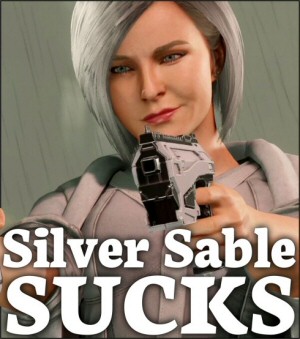
This version of Silver Sable is poorly designed, horribly written, and placed in the game for all the wrong reasons.
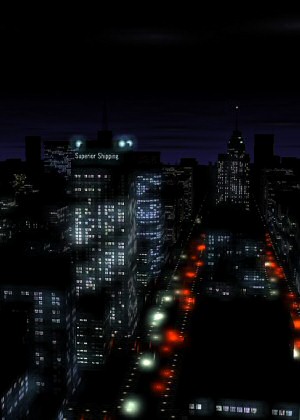
An attempt to make a good looking cityscape with nothing but simple tricks and a few rectangles of light.
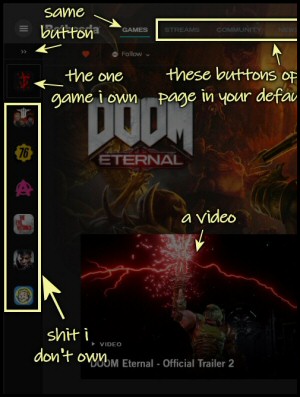
From the company that brought us Fallout 76 comes a storefront / Steam competitor. It's a work of perfect awfulness. This is a monument to un-usability and anti-features.
My picks for what was important, awesome, or worth talking about in 2016.

Few people remember BioWare's Jade Empire, but it had a unique setting and a really well-executed plot twist.
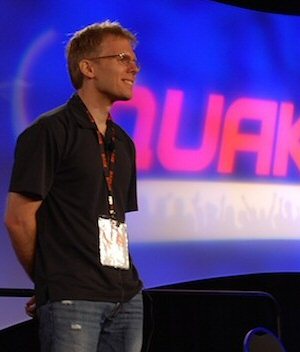
An interesting but technically dense talk about gaming technology. I translate it for the non-coders.
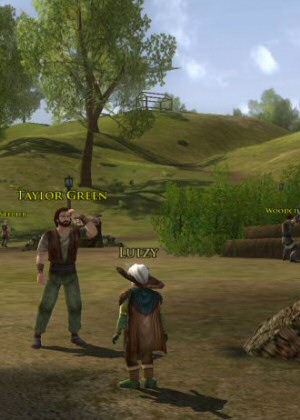
As someone who loves Tolkein lore and despises silly MMO quests, this game left me deeply conflicted.

Here is how I'd conquer the game-publishing business. (Hint: NOT by copying EA, 2K, Activision, Take-Two, or Ubisoft.)