 T w e n t y S i d e d


Hosts: Paul, Shamus. Episode edited by Issac.
Show notes: Continue reading ⟩⟩ “Diecast #260: Islanders, E3 2019, Kingdom: New Lands”


Show notes: Continue reading ⟩⟩ “Diecast #260: Islanders, E3 2019, Kingdom: New Lands”

Continue reading ⟩⟩ “#30 Porkomancy”
Continue reading ⟩⟩ “#29 Blame the Messenger”
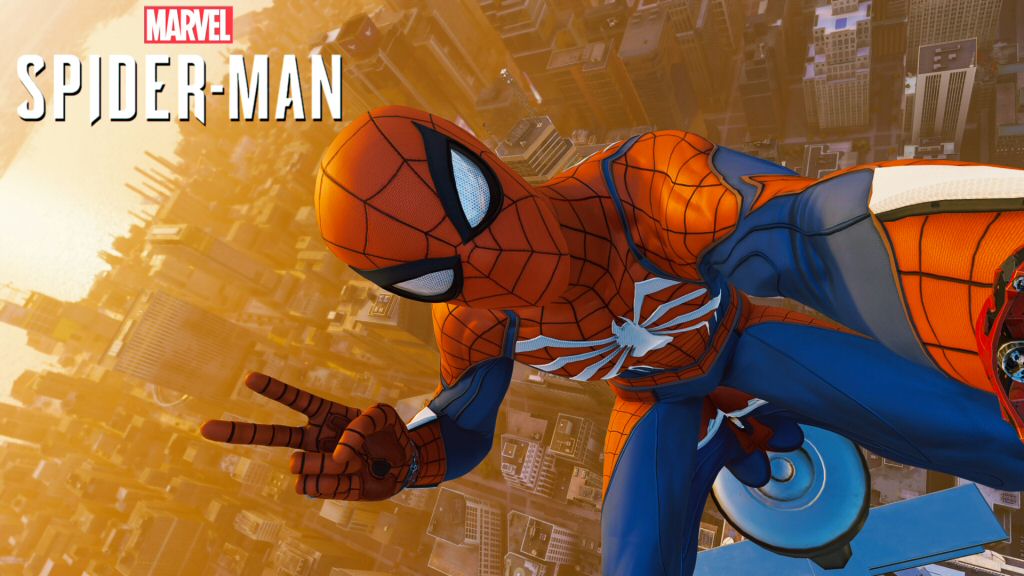
Last week I mentioned the character of Screwball and the writer’s stilted and cringey attempts to emulate Millennial shorthand and idioms. It’s interesting to compare that mess to the scene right after Grand Central Terminal where Spider-Man and MJ have an argument via texting. This exchange is bang-on. It’s not just solid from a character standpoint, but also by the way it captures the little nuances of what it means to have a fight through text messages.
There’s a moment where MJ says, “think we both had different ideas about this ‘partner’ thing”, referring to the way they decided to team up without either of them making clear what they expected from the other. She thought if they were ‘partners’ she’d be able to sneak around the hideouts of dangerous supervillains without him trying to stop her, and he thought she would just stay at home and gather information for him.

Spidey replies by shouting, “OH, YOU THINK?” at his phone, but then types a much more measured response. The whole exchange is full of little details like this that make these two characters feel genuine.
We see the entire exchange from Spider-Man’s perspective. On one hand, I kinda wish the viewpoint would shift over to MJ a few times so we could see how she’s reacting. Is she also shouting at her phone in exasperation while typing with restraint? Is she angry? Crying? Then again, not knowing what the other person is really feeling is part of the texting experience, and by trapping us in Spider-Man’s P.O.V. the writer enables us to share in his frustration and confusion.
Continue reading ⟩⟩ “Spider-Man Part 18: Jailbreak”

This week my column takes a look at Microsoft and their recent move to unify the PC and Xbox ecosystems. Actually, I guess it’s not a recent move so much as another re-commitment to an idea they keep flirting with and abandoning. If they could merge the Xbox and PC into a single group by allowing players to take their library, friends list, and save games with them between platforms, then that would make the resulting PC/Xbox hybrid the biggest console platform.
Back in the 90s and aughts, Microsoft’s grip on the PC market was really strong. You used Windows because everyone else used windows and everyone needed to be able to share documents. Your software collection was Windows-based and switching was difficult. Macs were nice, but they were really expensive and they had trouble sharing files with your business colleagues. Linux was free, but it was still a platform for gurus and it had a lot of the same data-sharing problems.
But today? Most programs are either multi-platform by design or universally available through the cloud. You can do word processing, spreadsheets, image editing, video editing, music editing, file sharing, spread sheeting, and web-browsing on any of these platforms and have a reasonable expectation of being able to share files with everyone else. We’re doing more and more on the cloud, and the OS matters less and less.
The two exceptions to this trend are:
Continue reading ⟩⟩ “Microsoft’s New Plan for Xbox”
Show notes: Continue reading ⟩⟩ “Diecast #259: The Witness, Outer Wilds, Survival Games”
Continue reading ⟩⟩ “#28 Something For Everyone. Almost.”
How did this game avoid all the usual stupidity that ruins remakes of classic titles?
A novel-sized analysis of the Mass Effect series that explains where it all went wrong. Spoiler: It was long before the ending.

Team Cap or Team Iron Man? More importantly, what basis would you use for making that decision?
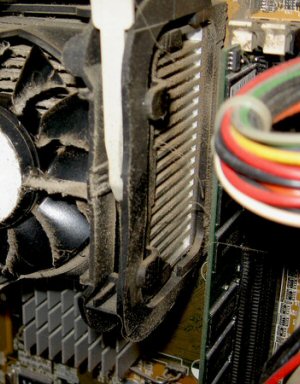
So what happens when a SOFTWARE engineer tries to review hardware? This. This happens.

Did you dislike the ending to the Mass Effect trilogy? Here's my list of where it failed logically, thematically, and tonally.
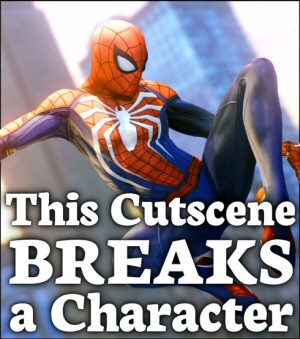
Small changes to the animations can have a huge impact on how the audience interprets a scene.

Why killing you might be the least scary thing a game can do.

An interesting but technically dense talk about gaming technology. I translate it for the non-coders.

A look at the main Borderlands games. What works, what doesn't, and where the series can go from here.
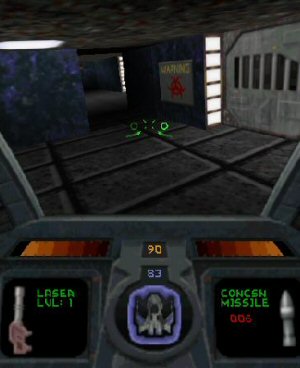
Be careful what you learn with your muscle-memory, because it will be very hard to un-learn it.