 T w e n t y S i d e d

Yes, I’m sure you’re sick of hearing about the stupid theme. Not to worry. We’re nearly done. As before, I’m putting this stuff up on the weekend when traffic is slower. Also: If something looks off then make sure to do a hard refresh (Ctrl-F5 on most browsers) before complaining about it in the comments. The problem you’re seeing might already be fixed and you’re just not getting it yet.
Here is a list of the major changes:
- If the window is too short to display the menu on the left, the layout will switch to menu-top mode.
- Many spacing and alignment adjustments have been made. Too many to list here.
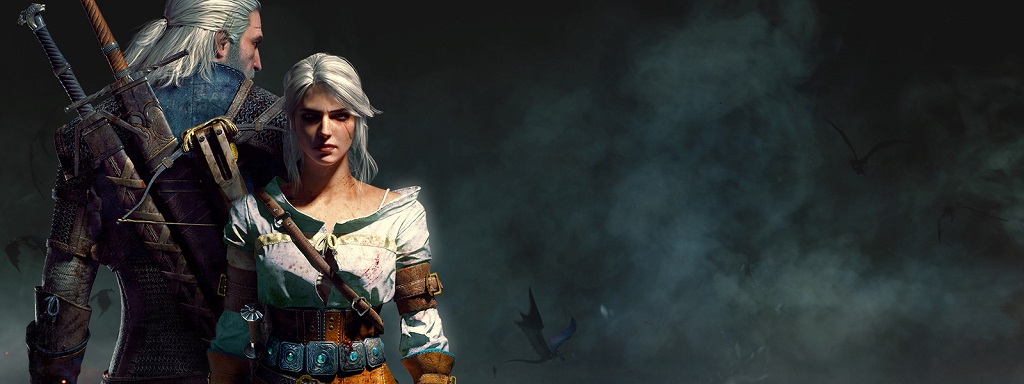
- 31 all-new daily background images! These will now fill the entire space behind the content.
- The links for stepping through a series are now white-on blue, so they stand apart from the content more.
- The promo cardsThe “From the archives” links to other content. have returned. You can see the full list by clicking on “Top Content” in the main menu.
- Comment colors have been tweaked to make them easier to differentiate. It’s not the rainbow we used to have, but it has a little more variation than we’ve had for the past few days. I’m trying to balance things between people who complain that it’s hard to track the comment thread colors and the people who complained about the “angry fruit salad” look of the old rainbow colors.
- The Twitter popup / link works, for all two of the people who care about that.
- I’ve taken all the various scattered links to the Spoiler Warning posts and condensed them into this final library.
- Comments waste a little less horizontal space on small screens. When the view gets to be narrow there is always going to be a trade-off between the readability of the comments themselves and the clarity of the comment threading. If we give more space to the comment text then there’s less space for the lines on the left when the thread reaches maximum depthFun fact: The max comment depth is 10 and that limit is enforced by WordPress. I can’t even find a plugin to raise it. As far as I can tell, the limit must be hard-coded someplace beyond the reach of plugins. Sadface..
- Tightened up the graphics on level 3.
An additional note is that I’m changing the weekly publishing schedule a bit. The Diecast will still go up on Mondays and Sunday will remain my dumping ground for low-effort postsHi there!. My Escapist column, This Dumb Industry, my GTA retrospective, and Bob’s Witcher series are going to be shuffled around. I think I’ll do This Dumb Industry on Tuesdays, the Escapist on Wednesdays, and retrospectives on Thursdays.
So why do I keep messing with the theme?
Continue reading ⟩⟩ “Theme Adjustments”