 T w e n t y S i d e d

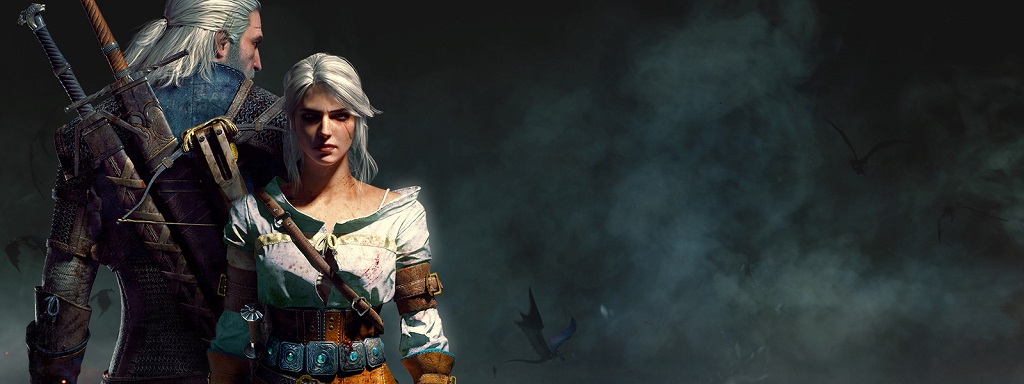
Back when CDPR first announced that there would be a pair of expansions – and even used the word “expansion” instead of “DLC” – I predicted to myself that one or both of them would be better than the base game. I personally feel that prediction has been borne out, though it’s an issue about which reasonable people can disagree. The prediction was based on my experience with RPGs, and specifically with RPG content made by a studio that already has a game or more’s worth of experience with its tools under its belt.
I have precisely zero experience with game development, but I have a wealth of experience with baseless speculation about game development. That wealth of experience has helped me notice a common pattern with RPGs: the sequel/expansion – provided it’s made with the same tools – will be better.
For those who aren’t conversant in the vocabulary of baseless game development speculation as I am, I’m using the word “tools” here to describe all of the various software used to make the game. To cite one example, Valve had something called the “Hammer” editor, which I used in the mid-late-2000s to make terrible attempts at Half-Life 2 levels. Most of the most commonly used game engines – say, Unity or Unreal – have comparable editors, along with ways to manage dialogue, combat, and everything else.

They’re the things at the end (or near the end) of the game development pipeline, and it stands to reason that as developers get more practice with them, they become more skilled with them. It can be something as simple and becoming fluent in all the hotkeys and shortcuts, to something as advanced as learning clever workarounds to get them to do things they’re not quite designed to do. To top it all off, I expect developers get just plain faster with them, and able to create and iterate more content in the same amount of time.
Continue reading ⟩⟩ “The Witcher 3: Hearts of Stone, Part One”