 T w e n t y S i d e d

Joss calls out a fan for nerding out on his material, and then signs the wrong name to an autograph. It’s silly and hilarious. I wish I was a famous writer so I could go around acting like this. (That is, acting as if I wasn’t famous.)

Joss calls out a fan for nerding out on his material, and then signs the wrong name to an autograph. It’s silly and hilarious. I wish I was a famous writer so I could go around acting like this. (That is, acting as if I wasn’t famous.)
Today’s lack of posting is brought to you by an acute case of City of Heroes alt-itis.
 |
This is where I would express sorrow and contrition, if I felt any. Frankly, this game is just too much dang fun.
Even grouping. Especially grouping. This, coming from one of the world’s most dedicated solo players. A guy who took a hunter to level 24 in World of Warcraft, and another to level 38. In CoH, I’ve come to see time spent not in a group as downtime. This was something I would not have thought possible.
Detective Grimm is still my favorite character in concept, although in the long run Fullmetal Jackie (my energy / energy blaster on the Freedom server) is more fun to play. She hit level 24 last night.
I have pages of notes on this game, and I’d be sharing them here if I had time to refine them into posts. But really, I’m just too busy playing.
It’s the age-old hippie question: What if they threw a war and nobody came?
Thanks to Tabula Rasa, we now know the answer.
I enjoyed the recent series of comics on DRM over at Penny Arcade. It reminded me a bit of the DRM Spore comic I did a couple of weeks ago. I was kind of surprised at how similar they are in concept. Both start off with a Biblical-style “In The Beginning” vibe and then go on to trace the history of copy protection. (Nobody is going to imagine that the highly successful Penny Arcade would recycle ideas from me, but the reverse is not true, and so I am very glad that mine came out first. Whew.)
I keep lamenting that this subject doesn’t get mainstream attention, and while Penny Arcade is iconoclastic and subversive, it’s also big enough that we can’t very well dismiss it at “not mainstream”. In any case, they have the ear of game publishers everywhere, and a great deal of effort is expended on the part of publishers to draw the attention of Holkins and Krahulik to whatever offerings they’re about to throw at store shelves. I don’t expect their DRM strips to act as a catalyst for sudden change, but the more voices, the better. And their voices are notoriously loud.
We’ve mused on this in the past, wondering if the people who implement these DRM schemes are really as clueless as they seem, or if this is all part of some convoluted conspiracy to salt the fields of PC gaming before the big publishers make good their retreat to the comforting fortifications of the consoles. Do they really believe the things they are saying, or are they just trying to maneuver customers into a more favorable venue? I still waver on the issue. They seem to be cunning on the micro scale and idiotic on the macro scale. They conceive long-term plans of ruination and short-sightedness, but they implement those plans with a predatory shrewdness.
Congratulations to Jay Barnson, who won the Game-In-A-Year thing at Dream Games for his development of Frayed Knights. I’ve been following Frayed since it was announced and I’m glad to see the project has gone so well.
(I’m a victim of his ongoing development process, though. I keep meaning to check it out, but then he mentions some improvement or change he has in mind and I’ll decide to hold off until it’s in. Because really – you can only play it for the first time once.)
Congrats Jay.
It’s the classic D&D dungeon: A 15×10 room with a black pudding and a treasure chest and a tapestry on the wall. Next room: Some bugbears and a trapped floor. Next room: Locked door, hidden passage, and a skeleton or something.
This is more or less what you end up with if you follow the directions given to new Game Masters. In fact, I’m pretty sure the D&D 3.5 DMG had a table to be used specifically for “populating” dungeon space. The idea being that you just doodle some connected rooms and roll the dice to fill them. This is actually pretty fun for those that just want a quick game of “Kill the monsters and take their stuff”. Some groups go in for this sort of thing, but I’d never be able to sit through it. How could you roleplay this? More importantly, systems like this fly apart very quickly when you have creative players. If you’re in the mood for that sort of game, I’d much rather we just bust out our copies of Diablo II and let the computer handle the paperwork. The strength of tabletop games is that you can (try to) do anything that comes to mind:
We’ll wait until they’re asleep, sneak in, and poison their water supply. Then we’ll wait a day and go in to mop up.
But the randomly-generated spaces don’t have the level of detail to allow for this sort of cunning. There is no water supply. The place might have beds, but the inhabitants probably just stand in place 24/7 and stare at the walls, or wander aimlessly. The place is shallow and static.
I think dungeons like this are poison to a group, because it teaches players that they can’t be too clever. If creative ideas like the water-poisoning one above lead to several minutes of DM floundering and some obvious ad-hoc changes to the dungeon, then it doesn’t feel satisfying when they outsmart the place. They came up with the answer first, and then the GM designed a question to fit.
Aside from dialog and fighting, there isn’t much interaction going on in these places. Just roll the dice and get through it. I’m a big believer in making “dungeons” – which includes any interior space with guys and rooms – make as much sense as possible. It’s not that hard, and it adds a lot of depth for your players. The places should actually tell a story of their own. This is particularly true when you’re talking about a place inhabited by intelligent creatures.
I think this is pretty well understood, and most people view random dungeons as a Bad Thing. Or at the very least, a Not Ideal Thing. But I know some people flounder when trying to make their own. Where do you start? How do you know what to put in each room?
Here is my approach to designing the classic indoor encounter space: Continue reading ⟩⟩ “GM Advice:
Dungeons That Make Sense”
Sold*.
Nothing more than the old DVD check we’ve gotten used to. It’s not ideal, but I’m willing to do business. I have other concerns about the game, but I’m content to sort those out myself after purchase.
* Assuming my poor aging box can run the thing. I can run Oblivion just dandy, so if they haven’t done anything foolish I should be able to play it.

Here is how I'd conquer the game-publishing business. (Hint: NOT by copying EA, 2K, Activision, Take-Two, or Ubisoft.)
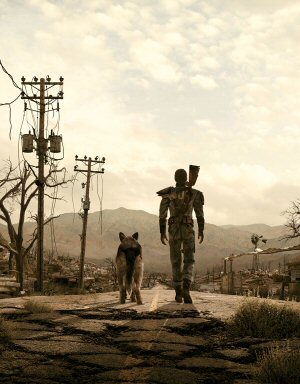
Yeah, this game is a classic. But the story is idiotic, incoherent, thematically confused, and patronizing.
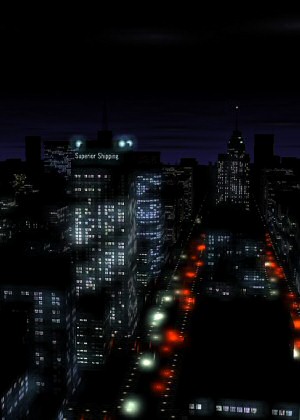
An attempt to make a good looking cityscape with nothing but simple tricks and a few rectangles of light.
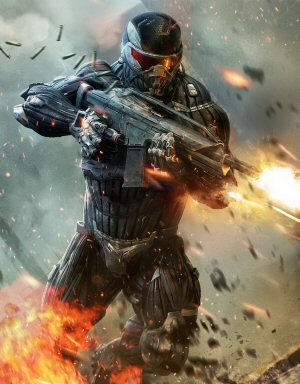
Crysis 2 has basically the same plot as Half-Life 2. So why is one a classic and the other simply obnoxious and tiresome?

Team Cap or Team Iron Man? More importantly, what basis would you use for making that decision?
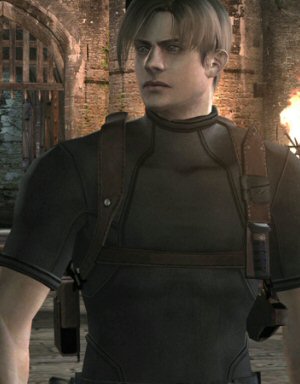
Who is this imbecile and why is he wandering around Europe unsupervised?

Why are RPG economies so bad? Why are shopkeepers so mercenary, why are the prices so crazy, and why do you always end up a gazillionaire by the end of the game? Can't we just have a sensible balanced economy?

Here are 6 reasons why I forbid political discussions on this site. #4 will amaze you. Or not.
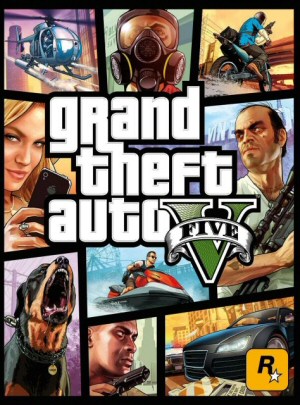
This series began as a cheap little 2D overhead game and grew into the most profitable entertainment product ever made. I have a love / hate relationship with the series.
I really thought one thing, but then something else. There's a bunch more to it, but you'll have to read the article.