 T w e n t y S i d e d

Continue reading ⟩⟩ “#12 The Name Game”


Continue reading ⟩⟩ “#12 The Name Game”

Sekiro: Shadows Die Twice is the new game from developer From Software, the creators of Demon’s Souls, the Dark Souls Series, and Bloodborne. Their games are known for their sometimes punishing difficulty. Sekiro has now been out for eight days, and my divinationsWhich, in this case, are based primarily on how many pictures of crying babies are in the thumbnails of my youtube recommendations. show that the appointed hour has come for the internet to gather together in its places of worship to hold the ceremonial Difficulty Arguments.
Is the game too hard? Not hard enough? Hard in the wrong way? Do those having trouble simply need to “Git Gud”? I suspect that even those of you who haven’t played the game are familiar with the general contours of the discussion. In case you’re not, they go something like this: these games are unusually difficult. They require more tries to defeat their bosses, have less margin for error in their gameplay, and give less assistance to the player in navigating their worlds and mechanics. For some, this makes them unapproachable and unpleasant, while others find the challenge invigorating. Those in the second group often regard the possibility of making the game easier as a compromise of its vision.
I have some sympathy for that argument. In the past I’ve said the Dark Souls‘ difficulty could be considered part of its story. The same is at least partly true in other FromSoft games. One thing they have in common are diagetic resurrection mechanisms. (Apologies – I couldn’t come up with a less clunky phrase.) In most games, you die, and are resurrected, and the player is meant to understand that this happened because it’s a video game and you really shouldn’t think too much about it.
Continue reading ⟩⟩ “Sekiro: Shadows Git Gud”

Continue reading ⟩⟩ “#11: You Can’t Lead From The Rear”

This week’s lack of a Spider-Man post is brought to you by my now-dead solid state drive. After 6 years of heavy use, it finally gave up the ghost. Considering that it spent most of those 6 years with 220+ of its 250GB in use, I’d say the device performed admirably and died gracefully. In the end, I could still read from it, even though I couldn’t write to it. This prevented Windows from booting up, but it let me rescue my dataActually, I didn’t need much from the drive. I backed up my old /Users folder, but I haven’t needed to retrieve anything out of there yet..
I originally blamed this mess on Windows Update, since the machine died just a couple of minutes after installing an update. But I think the patch was just the straw that broke the camel’s back. The machine was probably destined to die at some point that day. It was just a question of which program would attempt the final write that exhausted the drive.
I’ve since replaced the drive with a 500GB SSD and re-installed Windows. The machine is mostly back to normal now, but I’m still missing a few bits and pieces of software and working to get caught up on some of the other bits of writing I have to do.
I will say this new Windows 10 install feels very snappy. Either SSDs slow down as they reach the end of their useful lifespan, or Windows 10 still suffers from the long-running problem where a particular install will accumulate boot-time cruft that eventually erodes the system performance.
Continue reading ⟩⟩ “Setting a PC up for Work”

My column this week is a bit on the Phoenix Point controversy and why it’s destructive to the crowdfunding scene. I talked about it on the podcast this week, but this column is a text version of that rant for those of you who aren’t into the whole multimedia thing.
The problem is that developers are using crowd money to make demos so they can shop their project around and secure more traditional funding. I don’t have a solution for this. Maybe there isn’t one. Maybe this is an inherent flaw in the crowdfunding scene. Backers wind up being investors with no ability to hold the studio accountable, and that makes them vulnerable.
Lots of game projects die / get canceled before they reach release. Most of them vanish without us ever knowing they existed. Unless the project was based on established IP or the team featured a famous industry name, we don’t usually care. If the investors lose their money, nobody really sheds a tear for them because:
Continue reading ⟩⟩ “Experienced Points: Why Too Much Success Is Bad for Crowdfunding”
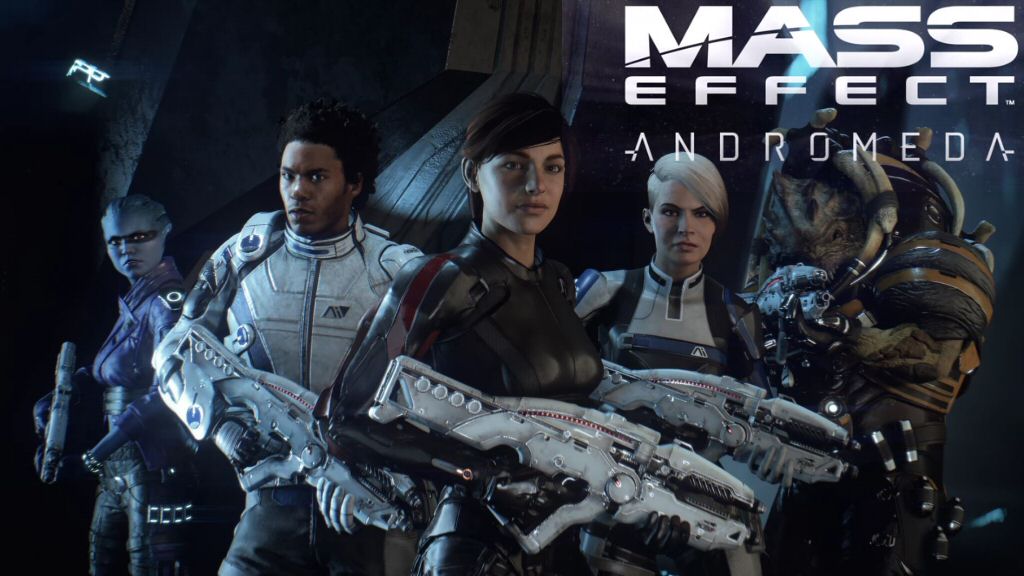
Our heroes reach Meridian, which they discover is a kinda Dyson sphere type thing, except roughly the size of a moonIt’s got a sparkly lens flare or whatever at the center instead of a full-sized star.. Ryder and her crew race after the Archon to reach Meridian. He’s going to Meridian to… activate it? But I thought the space station was the control center for the network? Whatever. We’re basically repeating the previous chapter where we have to stop the bad guy from gaining control of the alien superweapon, except now he actually has the means to operate the superweapon. Also he’s got Scott as a hostage, which ups the stakes if you care about him. Also, Meridian is a lush habitable world and would make a good home for the Initiative.

The Archon has hijacked the Human ark and is piloting it to Meridian. He’s got Scott and the captain on the bridge as prisoners and he’s monologuing at them, because that’s literally the only thing this idiot ever does. He talks so much and says so little it’s infuriating. He yammers at Ryder. He jabbers to these two. He leaves long-winded datapad messages lying around. The whole thing would be unintentional comedy if his dialog wasn’t so tedious.
Ryder is chasing the Archon in the tempest. And for no reason whatsoever, Ryder decides to leave her spaceship, jump in the Nomad, and race after him on the ground.
Continue reading ⟩⟩ “Andromeda Part 23: A Pretty Good Slog”

In this episode, my email works when it shouldn’t, Satisfactory works better than it should, and my computer stops working right on time.
Show notes: Continue reading ⟩⟩ “Diecast #249: Mysterious Email, Satisfactory, Outcast”
I called 2019 "The Year of corporate Dystopia". Here is a list of the games I thought were interesting or worth talking about that year.
Game developer Jon Blow is making a programming language just for games. Why is he doing this, and what will it mean for game development?
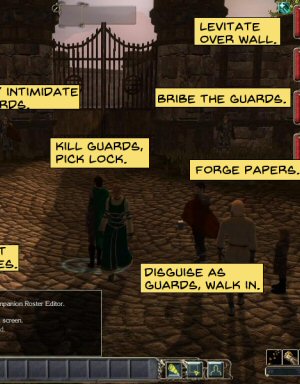
You know how videogames sometimes do that thing where it's preposterously hard to go through a simple door? This one is really bad.
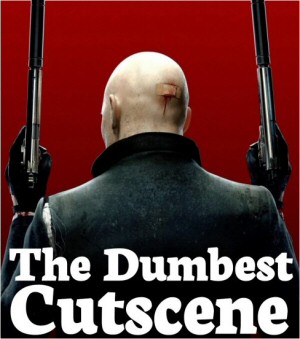
This is it. This is the dumbest cutscene ever created for a AAA game. It's so bad it's simultaneously hilarious and painful. This is "The Room" of video game cutscenes.

Most stories have plot holes. The failure isn't that they exist, it's when you notice them while immersed in the story.

Here's how this site grew from short essays to novel-length quasi-analytical retrospectives.

It seems like a simple question, but it turns out everyone has a different idea of right and wrong in the digital world.
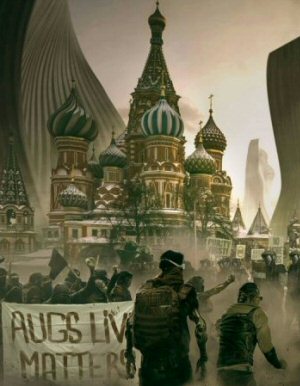
Deus Ex Mankind Divided was a clumsy, tone-deaf allegory that thought it was clever, and it managed to annoy people of all political stripes.
My picks for what was important, awesome, or worth talking about in 2012.
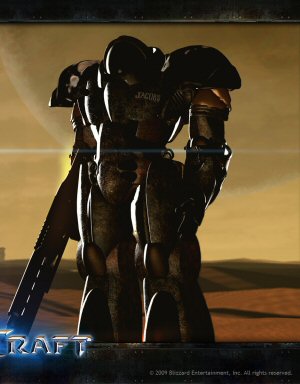
Let's do some scripting to make the Starcraft AI fight itself, and see how smart it is. Or isn't.