 T w e n t y S i d e d

 |
A Minor Omission”

|
 |
There are two aspects that most people talk about when discussing Final Fantasy games: The story, and the gameplay. In my previous posts I said I was unhappy with both. I’ve started the game over, and I’m still not happy with the story, but this time through the gameplay is really working for me.
In previous FF games, I’d march straight through the game, occasionally taking little half-hour leveling sessions to level up a bit past the monsters and ease my way past the occasional bossfight. This usually worked well. I was doing that here, and wondering why the game was so murderously hard.
Continue reading ⟩⟩ “Final Fantasy XII: Level Up”
 |
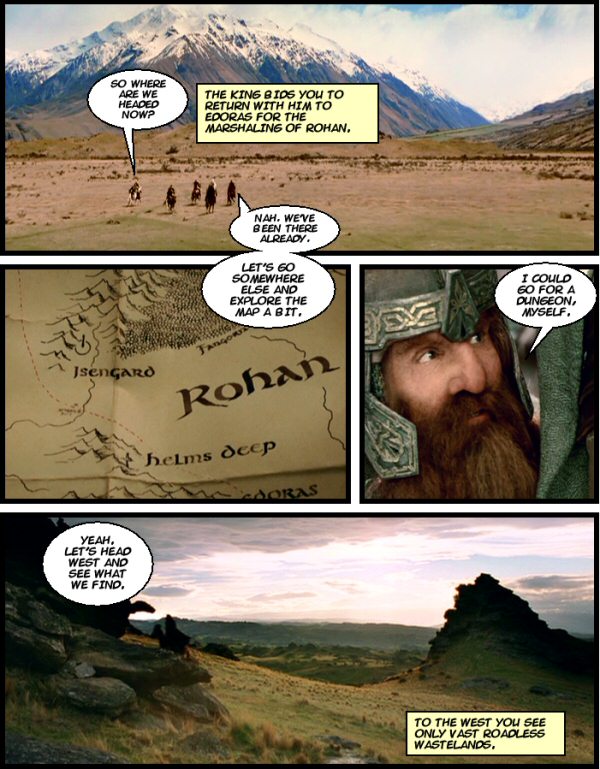
When I do wilderness travel, I sort of make it a branching maze. For example: “You are in a broad clearing. From here you can go east into the valley or you can ascend the large hill to the southwest. You could also turn around and return to the pine grove to the north, which you just left.” The players understand that I’m presenting them with choices that are likely, given the terrain. Sure, they could choose some unlikely course of action, like going halfway up a hill and then walking around, but this will be slower, pointless, and they will just end up at a recycled version of one of my established locations anyway. This gives them a bit of freedom, and makes wilderness seem less arbitrary. Some ways are faster, some can be very slow (like a valley which gets thick with vegitation once they enter) and some can have encounters.
I really like this system. It lets players move around more or less freely, but still has enough structure so that the DM can keep track of where you’re going, where you’ve been, and how long it took to get there. For difficult topography like swamps and dense jungle I make the waypoints very close together, so that many movements are needed to cover a small area. If they are traveling over wide open grasslands, I’ll make the dots very far apart. I usually space them based on time, so that traveling from one waypoint to the next takes a couple of in-game hours. When the players have gone through a few of them and I tell them the sun is setting, they will actually have a sense that in-game time has passed.
This offers a nice theoretical “wall” around your gameworld. When the players say they want to go west and leave the game area, you give them a few waypoints of increasingly difficult swamp / desert / cliffs / mountains / jungle. If they are actually roleplaying, they will have to ask themselves, “would our characters really be wading through this crap for no good reason?” If they keep going and enter the blank, empty areas of the map, they shouldn’t be surprised at the lack of towns and other interesting locations. Who would build a city in a swamp?
 |
 |
| Hey, remember when I ran out of the room and let you guys all get captured? Yeah, I was just messing with you. Pretty funny, huh? |
In the comments yesterday several people said they found the politics and scheming in this game to seem small and uninteresting alongside the planet-smashing threats we’ve faced in the past. I said the same thing at one point, but after reading responses from people who like the plot I can see there probably is a gripping tale here. There isn’t any real reason a war and struggle for freedom can’t be just as thrilling as fighting Jenova and Sepheroth or Sin and Seymore, as we did in games past.
The problem here isn’t the scope, it’s the presentation. Continue reading ⟩⟩ “Final Fantasy XII: Too Clever to be Understood”
 |
I’ve written before that I was a huge fan of Final Fantasy X, which was my first contact with the series. It’s still my favorite, and I can’t help but view the other iterations of the game through my warped FFX lens.
In FFX, the game introduced us to the main character, and then used that character to introduce the world of Spira. It made us care about Tidus and his plight, and then used Tidus as the “man from Mars”. Throughout the game, other characters would teach him about this new world he’d been pulled into. By the end of the game most players would be able to tell you what all the major races and subcultures were, what those people looked like, where they lived, and even a bit about their culture. This is a lot to learn, but we absorb it because it’s all part of the main character’s journey. Each bit of information is built on something we learned previously.
But FFXII does this all backwards, and from a storytelling perspective the thing is a mess. Continue reading ⟩⟩ “Final Fantasy XII: First Impressions”

Obviously they are. Right? Actually, is this another one of those sneaky hard-to-define things?
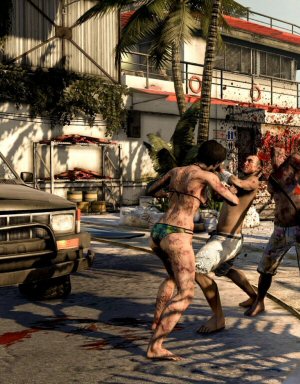
A stream-of-gameplay review of Dead Island. This game is a cavalcade of bugs and bad design choices.
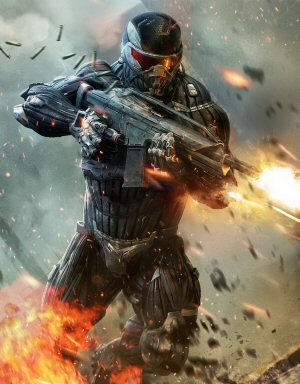
Crysis 2 has basically the same plot as Half-Life 2. So why is one a classic and the other simply obnoxious and tiresome?
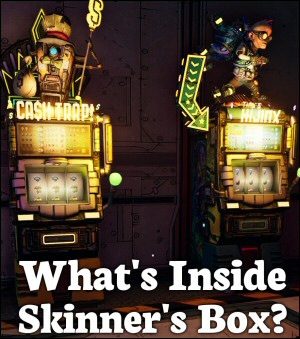
What is a skinner box, how does it interact with neurotransmitters, and what does it have to do with shooting people in the face for rare loot?

What lessons can we learn from the abrupt demise of this once-impressive games studio?
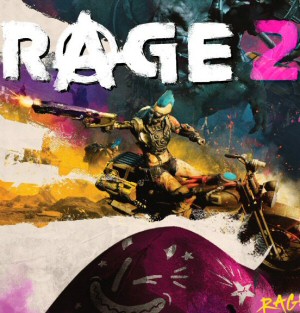
The game was a dud, and I'm convinced a big part of that is due to the way the game leaned into its story. Its terrible, cringe-inducing story.
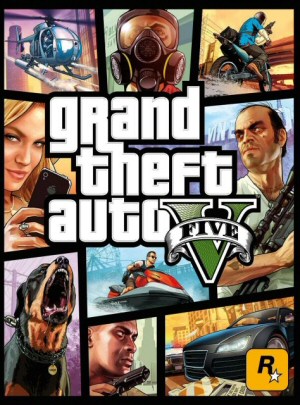
This series began as a cheap little 2D overhead game and grew into the most profitable entertainment product ever made. I have a love / hate relationship with the series.
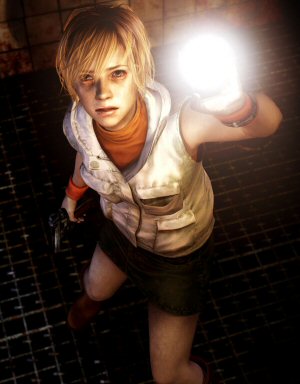
Why killing you might be the least scary thing a game can do.

A music lesson for people who know nothing about music, from someone who barely knows anything about music.
A look back at Star Trek, from the Original Series to the Abrams Reboot.