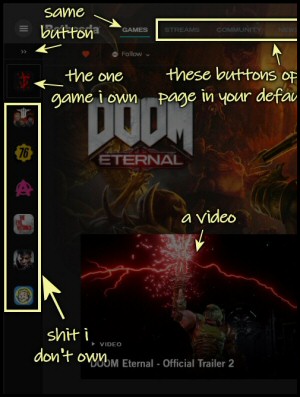
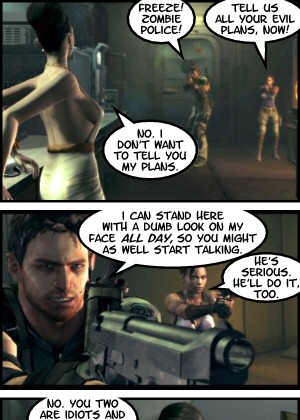
I’ve mentioned before that I used to make comics using a program I wrote myself. I wrote Comic Press back in 2007 or so, back when I still worked at Activeworlds. When I left the company, I left behind the nice professional version of Developer Studio 6 that came with the job. That was my programming environment of choice, and I have to admit that it was an admirable piece of software. How many other commercial software products are still working fine twelve years later? Not many, I’d wager. Well, maybe server-side. But the turnover rate is usually pretty high for stuff used by individuals. Doubly so for stuff from Microsoft.
I switched over to using Visual Studio Express 2010, which is actually twelve years newer, but missing some key features. (The two programs are of the same product line and lineage. Microsoft just re-branded Developer Studio to Visual Studio at some point.) So I went from using a very old but feature-rich toolset to a modern but stripped-down version. The key feature I lost was the ability to use resource files. In the world of Microsoft, resource files are containers for dialog interfaces, menus, and window layouts. You design a dialog box in a nice little drag-and-drop interface, and then use it in your program. Visual Studio Express (the “express” edition is the stripped-down version for freeloaders like me) can’t use resource files. The result was that I could no longer compile Comic Press.
If I ever wanted to make any changes to Comic Press, I’d have to strip out all the resource file usage and painstakingly re-create the dialogs in code. That’s a lot of hassle, so I never bothered. The existing version of Comic Press did everything I needed it to, so I just backed up the source code and forgot all about it.
Then I moved to Windows 7, and Comic Press broke.
Continue reading ⟩⟩ “The Bug is, There is no Bug”
 Shamus Young is a programmer, an author, and nearly a composer. He works on this site full time. If you'd like to support him, you can do so via Patreon or PayPal.
 T w e n t y S i d e d