I’m not going to try to review the Pre-Sequel quest-by-quest. We’re doing a quick (by the standards of this site) overview of the plot. We’re not so much concerned with the “save the moon plot”, and instead I’m just examining the moments in the game dealing with Jack’s fall to the dark side.
Anthony Burch has writing credit on this game, which is odd because very little of the game feels like his work. For example…
Why is Everyone So Nice?
'ere to 'elp, if the price is roight!
The character Pickle feels like an attempt to reverse-engineer the appeal of Tiny Tina. You’ve got a child character with an “adorable” design, but they’re also corrupted in some way. Tina is a demolitionist, and Pickle is a thief. But Tina subverts the “mischievous child” trope by having her “adorable mischief” be murderous destruction. Pickle doesn’t subvert anything. His Oliver Twist accent is trying pretty hard to be cute and there’s nothing really dark or subversive about his design or character. There’s nothing edgy or strange about this kid. He feels like a character that wandered in from a Disney cartoon.
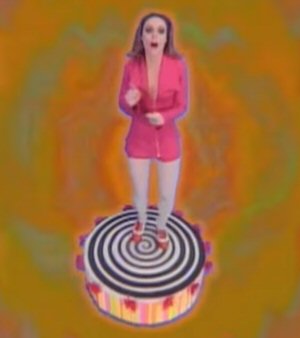
Part of the texture of Borderlands 2 is that everyone – good guys and bad guys alike – is a little crazy. Moxxi, Scooter, Marcus, Hammerlock, and Zed are all a little nuts and have occasional moments of surprise sadism in their character. For contrast, here in the Pre-Sequel we end up with a few characters who are just regular nice people. Pickle is kind and sane. Gladstone – who we meet later in the story – is nice and friendly with no creepy quirks or sadistic hobbies. Felicity is an AI that’s been held prisoner by a gang of nutters and forced to be their “girlfriend”, and yet she’s friendly, clear-headed, and not at all insane.
Speaking of Felicity being an AI…
Earlier in this series I said:
[Head writer Anthony] Burch likes to do this thing where he’ll go for a really obvious joke or twist, and then telegraph that he knows that you know where the joke is going. It becomes this sort of meta-joke about expectations. He did this in the situation with the totally un-suspicious power core when Angel betrayed everyone in Borderlands 2. He did it in the sidequest No Hard Feelings. He did it again with Pyro Pete in Torgue’s Campaign of Carnage. He built an entire character around this gag with Captain Scarlett in the Pirate DLC. Likewise, Crawmerax has a section where you have to track down a bunch of assassins, only to discover they’re already dead. After the first couple it stops expecting you to be surprised and instead begins poking fun at how everyone knows where this joke is going.
In contrast, this game sets up this situation where you’re looking for a “military-grade AI”. You meet Felicity over the radio, and even though her radio portrait shows her as human, it’s obvious early on that she’s the AI you’re looking for. But instead of telegraphing this and using the available tropes for humor, the game plays it straight and acts like you’re really supposed to be surprised. Pickle is the first to figure it out, and even then it’s only after the truth is too obvious to ignore. And then Felicity congratulates Pickle for being so clever, which means the writer is sort of patting themselves on the back for pulling off this twist, whether it surprised you or not.
To compare authorial voices:
Borderlands 2: “Yeah, you’re a smart player and I know I can’t fool you. Still, these situations are kinda funny when you think about them, right?”
Borderlands Pre-Sequel: “Gotcha! Good twist, right?”
It’s not wrong. It’s not like this is some terrible crime against writing or anything. It’s just that you can really see the difference in writing style here, and that difference is once of the reasons Pre-Sequel doesn’t feel as vibrant or as funny as its predecessor.
Continue reading ⟩⟩ “Borderlands Part 22: Stay Awhile and Listen”
 Shamus Young is a programmer, an author, and nearly a composer. He works on this site full time. If you'd like to support him, you can do so via Patreon or PayPal.
 T w e n t y S i d e d