 T w e n t y S i d e d

Link (YouTube) |
Wherein we talk about Lara’s fight with the totally-not-a-rapist-you-guys and get killed by arrows a lot. Oh yes.

Link (YouTube) |
Wherein we talk about Lara’s fight with the totally-not-a-rapist-you-guys and get killed by arrows a lot. Oh yes.

Hang on a second… A Starcraft post filed under “programming”? What sort of organizational shenanigans are going on here, Shamus? Is this some kind of trick? I’ll tell you: Last week I was pondering the mechanics of a Starcraft II rush. I wound up making the hilarious mistake of assuming it would be an easy thing to analyze with a bit of code.
A “rush” in Starcraft is where you forego building workers, constructing defenses, or expanding. Instead you begin the game by building as many of the most basic army unit as you can in the hopes of crushing your opponent before they have anything on the field. A rush is usually considered an “all in”, because if your initial attack fails then you’ll be at a massive disadvantage. You don’t have many workers, or defenses, or expansions. All you’ve got is this small handful of units. Your opponent will be far more wealthy than you, and will be able to out-spend you over the next five minutes or so.
It’s basically like a trick play in NFL. They’re rare because they’re risky, and the risk intensifies the more often you attempt them. It’s considered a lame, cheesy trick only used by the unskilled, the desperate, or (occasionally) the troll. There’s even a Sexy and I Know It parody song about it that makes fun of the notorious and meme-spawning Zerg rush:
Link (YouTube) |
Trivia: The rapper (?) in that song is Husky, of BRONZE LEAGUE HEROES fame.
Setting aside the jokes, the memes, the flame wars over game balance, and arguments over race: Just how much is the advantage of rushing, and how far behind will you be if you fail? What’s the damage, in a total numerical sense? How many units will you be ahead, and assuming there’s no game-ending engagement how long will it take for your opponent to pull ahead of you? I’m sure a pro player could intuit the answer just from the sheer volume of games they’ve played, but I wanted to see the breakdown on a chart where the rest of us mortals can visualize it. I so decided to write a little program to figure it out.
Continue reading ⟩⟩ “Starcraft 2: Rush Analysis”

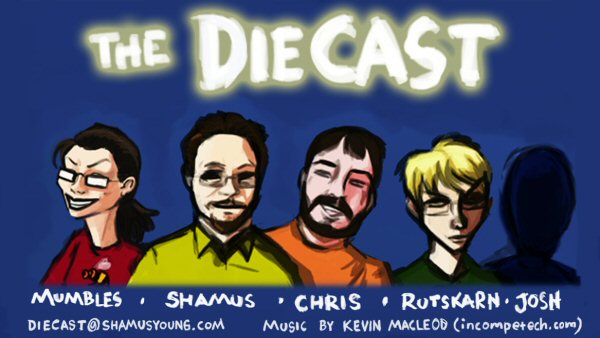
We had a long, meandering conversation about videogames, business, and other dumb things. We recorded the exchange so that you can enjoy the sensation of being trapped in a conversation with us where you can’t get a word in.
Download MP3 File
Download Ogg Vorbis File
Show notes:
Continue reading ⟩⟩ “Diecast #16: XBone, Zynga, Call of Doggie”
Link (YouTube) |
Has it really been three years since we made this episode? (August of 2010.) I guess so. Here is what I had to say about the BioShock DRM in the original post on this episode:
In this episode I brought up the subject of the BioShock DRM. While exotic and new at the time, it's pretty much the order of the day now for a lot of PC games. Josh mentioned it's getting better, which is also true. It depends on where you draw the line and what games you care about. Ubisoft has taken the idea to new an absurd heights. Other companies are following the example set by Steam and are trying to sugarcoat their phone-home systems by actually offering some features in return. Blizzard is a great example of this. The new Battle.net requires periodically renewing activation (this is based on hearsay) but offers a ton of new features. Evaluating what you're really getting for your $60 is becoming increasingly complex.
Still, I'll always remember BioShock as a forerunner is this regard.
Interesting to see how this idea has spread and evolved. By “this idea” I mean “naked DRM”. With Battle.net, Steam, and Impulse you have varying levels of activation going on, but the systems provide service for your trouble. You can download the game again, you no longer need the disk, it keeps the game updated, etc. Now maybe these features are valuable to you or maybe they’re useless. But they do give the companies a fig leaf to cover their activation. This is different from the online activation you had in 2k Games and Ubisoft titles where activation was only there to give you permission and offered no other features. (Or worse, offered negative features by making you create an account so they could spam you.)
2K Games tried online activation, and after a few years of insisting it was awesome they gave up on it. Ubisoft tried it on an even grander scale, requiring not just activation but continuous connection. They insisted it was working, then admitted it didn’t and gave up on it. Now Microsoft is going for the big time with an always-on console. Games will be locked to the console and you can’t give or loan games. Well, you can, but titles can only be gifted once and only to people on your friend list and you can only lend games if you log in to your account on their console… or something. You need a flowchart to follow the fine print.
If all your friends jumped off a bridge, and got very badly hurt, and said that jumping off a bridge was a bad choice… would you jump off an even bigger bridge?
Note to Microsoft: Everyone is laughing at you.
Hey Shamus! Wasn’t this post supposed to be about BioShock?
Shuddup.

The year is 2009, and I am stuck. We don’t make enough to live in this house. The house is underwater, so we can’t sell. I'm actually relieved when I figure this out. I’ve been thinking that I'm “bad with money” in the sense of being an irresponsible spendthrift. Now I see we're not really. Well, aside from stupidly buying Too Much House. Other than that one bad move, we’re generally careful and sensible. We shop for food at Aldi. We buy second-hand clothes. We drive an old car. We don't eat out. We don't shower our kids in hundreds of dollars in gifts at Christmas.
But things are bad. We’re basically watching a systemic failure in progress. We could start stacking debt on credit cards to delay the inevitable, but that’s like driving your car off a cliff to keep it from getting repossessed.
Continue reading ⟩⟩ “The Twelve-Year Mistake Part 5: Job’s Done!”
Link (YouTube) |
Adding to my commentary on the beartrap scene: I was confused over where everyone was going, but there’s still this problem where the group decides that Lara will go after Roth and they will go after Sam. Lara says okay to this, but once everyone leaves she goes and takes a nap or whatever. I understand why she needed a sit-down, but I couldn’t help thinking, “If you weren’t up to the job, why did you accept it? Why didn’t you say you needed a rest? There were lots of people left to look for Roth.” It’s just that – to a non-player observer – it would kind of make Lara look a bit like an irresponsible jerk. (Imagine if Reyes said she was going to look for Sam and then jumped in a hammock.)
The funny part is that if the cutscene had ended and left you standing there, I would have immediately turned around and returned to the campfire anyway to check my equipment and see if I leveled up, and I wouldn’t have felt like an irresponsible jerk for doing so. Heh. I mean, I’m sure Roth is a nice guy and he might need my help or whatever but OMG LEVEL UP POINTS.
It’s new new season of Spoiler Warning! Finally! In glorious 1080p! Which is an awful lot of p. It might even be too much p. Those with extreme p sensitivity may want to use caution when viewing this much p at one time.
Link (YouTube) |
At the start of the episode I suggested that we track how many times you’re captured in a cutscene. Then later I suggested that maybe the problem wasn’t “capture” but the way the game poofed in guys from just off camera. But these are both problems with a common source: A storyteller who can’t be arsed to sell things properly. Whenever they need to create a setback, an unlimited number of bad guys can walk in from off-frame and gank you. After a while it starts to feel like a movie character being assaulted by the cameraman and boom operator.
This is terribly lazy. It’s not unforgivable here in the early game, and if the trick had been used sparingly they might have gotten away with it. But this is the only play in the writer’s playbook, and pretty soon the contrivances start to grate. I mean, at least have them ambush you in a dark space, or while you’re fiddling with the radio, or have them spring a clever trap. Anything but having them beam down from the Enterprise in the middle of an open field.
But I liked the game. You’ll see.
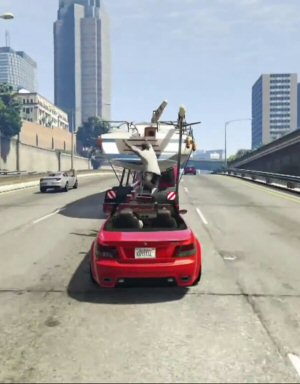
One of the highest-rated games of all time has some of the least interesting gameplay.
The comments on most sites are a sewer of hate, because we're moderating with the wrong goals in mind.

There are two major schools of thought about how you should write software. Here's what they are and why people argue about it.

An attempt to make a good looking cityscape with nothing but simple tricks and a few rectangles of light.
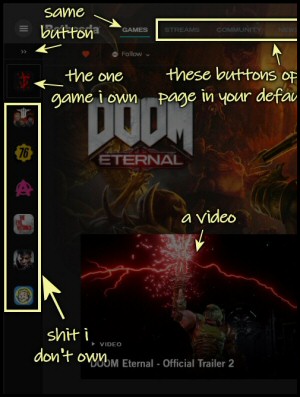
From the company that brought us Fallout 76 comes a storefront / Steam competitor. It's a work of perfect awfulness. This is a monument to un-usability and anti-features.
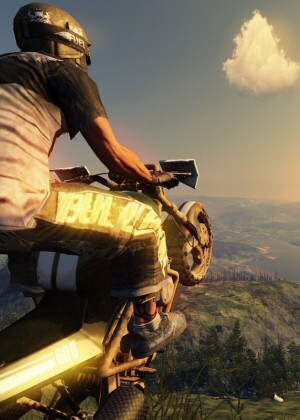
How did this niche racing game make a gameworld so massive, and why is that a big deal?

Did you dislike the ending to the Mass Effect trilogy? Here's my list of where it failed logically, thematically, and tonally.
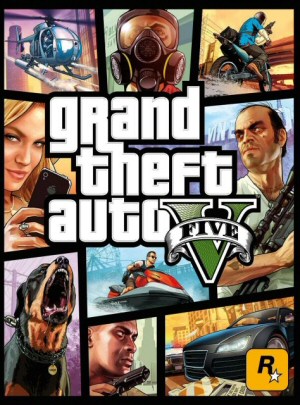
This series began as a cheap little 2D overhead game and grew into the most profitable entertainment product ever made. I have a love / hate relationship with the series.
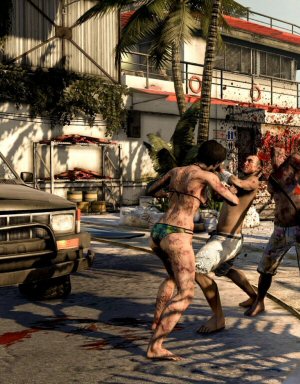
A stream-of-gameplay review of Dead Island. This game is a cavalcade of bugs and bad design choices.
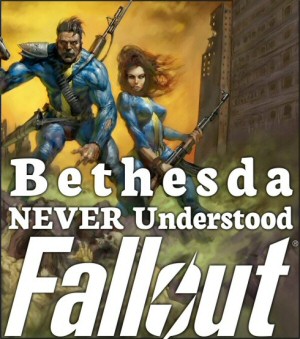
Let's count up the ways in which Bethesda has misunderstood and misused the Fallout property.